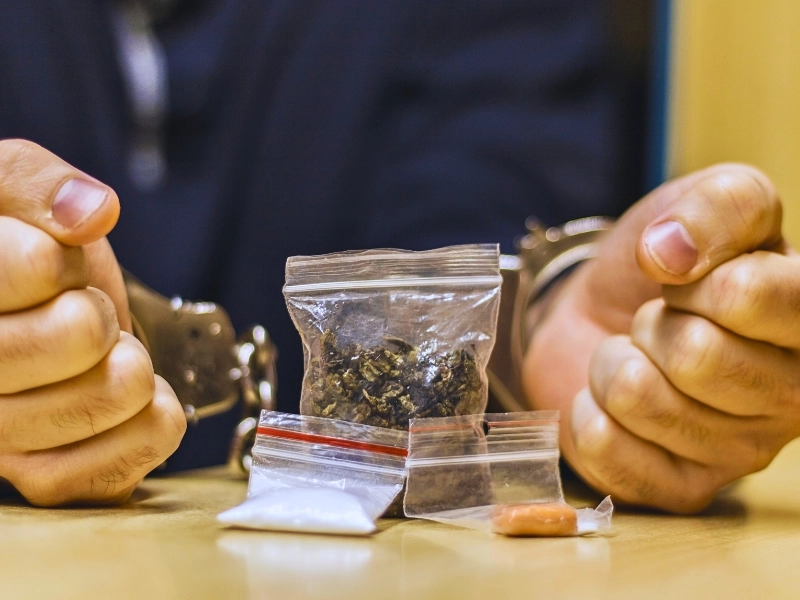


You can be charged with a drug crime based on text messages alone in Minnesota, especially when the messages show intent to purchase, sell, distribute, or traffic drugs. Prosecutors often use text messages to demonstrate intent to commit a drug crime, show a history of drug activity, link you to a specific phone, and corroborate physical evidence. Text messages often strengthen the probable cause required for the police to arrest and charge you. They are, however, not sufficient for a conviction without compelling supporting physical evidence.
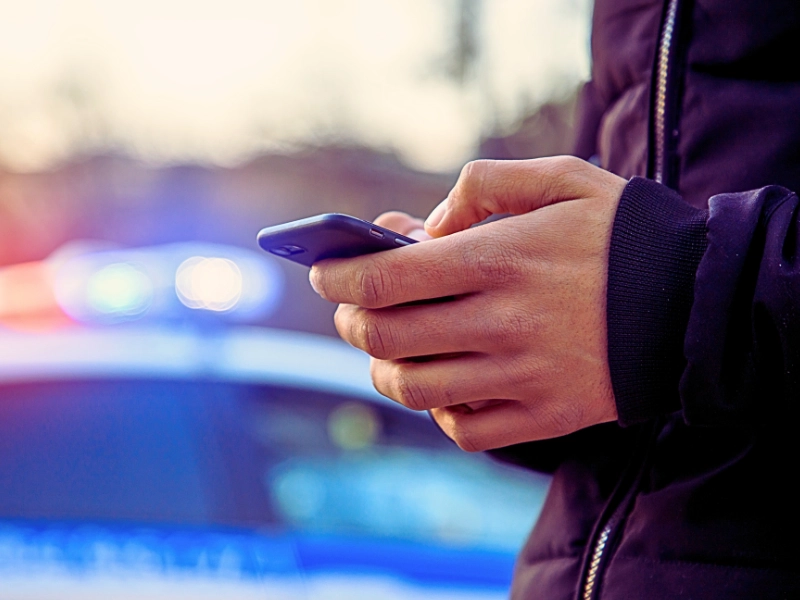
A felony defense lawyer can challenge text message evidence in a drug case if the messages are ambiguous, inauthentic, or were obtained in violation of your constitutional rights. The lawyer takes time to investigate your case, examine the prosecution’s evidence, and build an effective defense strategy to fight unfair or inaccurate interpretations.
Call Keller Criminal Defense Attorneys at 952-913-1421 to request a free initial consultation if you or a loved one in Minnesota is facing drug crime charges based on text messages alone.
On This Page
Can Text Messages Alone Be Used to Charge You With a Drug Crime?
Text messages alone are often enough to meet probable cause requirements for an arrest and drug crime charge in Minnesota. Law enforcement officers often use text messages to show intent to buy, sell, distribute, or traffic drugs.
The officers frequently focus on messages organizing sales, meeting locations, or discussing prices. They may claim that their training and experience allow them to identify coded language for drugs. They may, therefore, interpret ambiguous or slang-filled private conversations as discussions about controlled substances.
You may face a conspiracy to commit a drug crime charge if your private conversations reveal an intent to buy, sell, or distribute illegal drugs. This charge may apply even if you did not actually buy, sell, or deliver the alleged drugs.
Facing a drug crime charge based on text messages alone does not mean the prosecution has a strong case against you. Private conversations are rarely enough to meet the beyond a reasonable doubt requirement for securing a conviction in criminal cases. Law enforcement officers understand this fact and will be constantly looking for more information to strengthen their case. That’s why you should be extremely cautious when interacting with law enforcement.
The officers may use your statements regarding conversations retrieved from your phone to explain vague or coded language and build a strong case against you. So, it’s crucial to stay calm and exercise your right to stay silent when police question you about certain messages. You should also invoke your right to an attorney.
How Prosecutors Use Text Messages as Evidence in Drug Cases
Text messages are a crucial form of evidence in prosecuting drug cases. In fact, a survey of prosecutors found that nearly a third of the prosecutor respondents reported dealing with digital evidence, such as text messages, in 80 to 100% of the cases they handle. But how do they use text messages as evidence in drug cases?
Demonstrating Intent to Commit a Drug Crime
Minnesota drug crime laws cover more than just physical possession of controlled substances. They also consider intent to buy, sell, distribute, or traffic illegal drugs. Text messages can help prosecutors establish intent to commit a drug crime. The prosecutors pay attention to messages that imply pricing negotiations, organizing meeting spots and times, and references to quantities. They also focus on identifying coded language frequently used in drug transactions.
Showing a Pattern of Drug Activity
Prosecutors may sometimes present old messages to paint a history of drug activity. They may do this even when those messages are not directly connected to your current charges. They may claim that past messages indicate knowledge or intent to participate in a drug crime.
Connecting You to a Specific Phone
Prosecutors may attempt to link you to temporary mobile devices used to conceal identity. They may do this by analyzing message logs from the carrier and pictures, contacts, or personally identifying information on the phone. They may also look for messages where you disclose your identity or rely on accounts from officers who seized the phone.
Corroborating Physical Evidence
Text messages are often used alongside physical evidence to build a strong account of criminal activity. Law enforcement officers can directly link a message saying “I’m at the corner of 4th street” to surveillance footage or the location where the drug crime happened. Messages can also corroborate witness testimony. For instance, messages sent a few minutes before, during, or after the alleged crime can confirm a witness’s claim regarding when the transaction happened.
An experienced drug crime defense lawyer can dispute the authenticity of the messages, uncover violations of your constitutional rights in how they were acquired, and provide accurate interpretations. Early legal intervention can mean the difference between getting your drug crime charges dropped and a successful conviction.
When Text Message Evidence Is Not Enough for a Drug Conviction
As previously stated, proof beyond a reasonable doubt is necessary for a conviction in Minnesota criminal cases. Vague, unauthenticated, or unsupported messages cannot meet this standard. Different people can have different interpretations of a text message, especially if the full context is missing. A phrase like “I’ve received the package” is not enough to prove a drug transaction without full context.
Courts often require evidence that a crime actually happened. Text messages alone without supporting physical evidence are not enough for a guilty conviction. On top of the digital conversations, the prosecution must provide physical proof of drugs, surveillance footage showing you participating in a drug transaction, or valid witness statements. Law enforcement officers may sometimes fabricate physical evidence to increase their conviction rates. That is probably why police misconduct is responsible for 54% of wrongful convictions.
Besides corroborating physical evidence, text messages must be authentic and lawfully obtained. The prosecutor must demonstrate that you sent the messages, the phone is yours, and they legally searched it.
Seek legal support quickly if you are under police investigation or facing drug crime charges based on text messages. Contact a 24/7 criminal lawyer at Keller Criminal Defense Attorneys to explore your options and build the right defense strategy.
FAQs
Can I be charged with a drug crime based on text messages alone in Minnesota?
The prosecution can charge you with a drug crime based on text messages alone in Minnesota, especially if those messages adequately prove probable cause that a crime actually happened. A charge is not, however, equivalent to a conviction. The prosecution will need more than private conversations to secure a conviction.
Do police require a warrant to read my text messages?
Generally, police must obtain a valid warrant to read your text messages or search other contents of your phone. Exceptions to the warrant requirement apply when you voluntarily grant the officer permission to search the contents of your phone or in emergency situations where quick action is necessary to stop an imminent threat or evidence destruction.
When should I contact a drug crime defense attorney if I’m being charged with a drug crime based on text messages only?
Contact an attorney immediately after you suspect the police are investigating you or soon after getting arrested. Involving a lawyer as early in the criminal justice process as possible helps protect your rights and prevents you from revealing self-incriminating information.