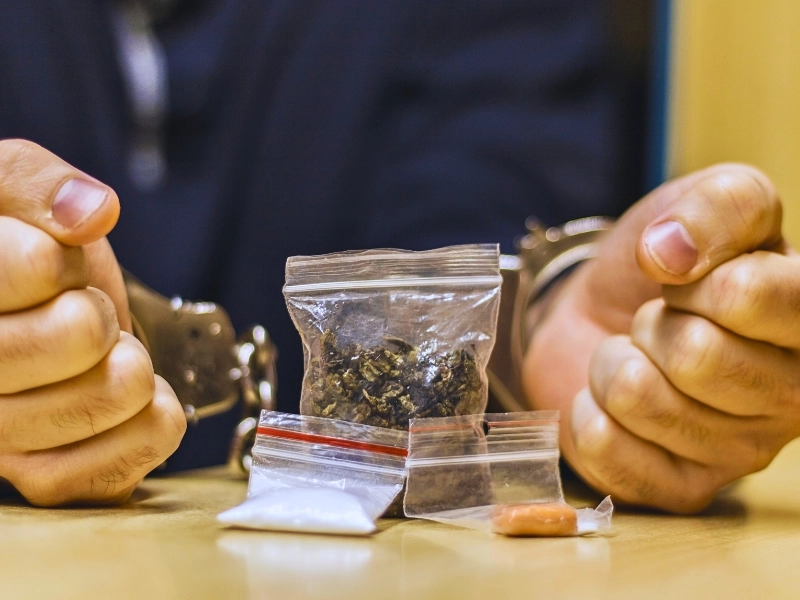



If the Marijuana Justice Act becomes law, it will create a number of changes that impact marijuana-related offenses and consequences for marijuana use in all states. It will amend the Controlled Substances Act to make marijuana use legal on a federal level.
(Article continues below infographic)
On This Page
The Marijuana Justice Act
Although five states have already legalized recreational marijuana, and 29 other states, including Minnesota, allow it for medical purposes, marijuana is still illegal in the eyes of the federal government. Recently, a New Jersey lawmaker, Senator Cory Booker, introduced a bill for the Marijuana Justice Act that will amend the Controlled Substances Act. If the bill passes, it will change federal laws that make marijuana illegal.
Senator Booker states that the bill will address concerns for millions of nonviolent drug offenders who face jail time and other consequences for marijuana-related offenses. Booker emphasizes that the government’s long-standing war on drugs has put too many people in jail and wasted billions of taxpayer dollars. Legalizing marijuana will address many issues related to nonviolent drug users. Booker notes that states that have legalized marijuana have seen a decrease in violent crimes and an increase in revenue for law enforcement. In states where marijuana is still illegal, a criminal defense lawyer commonly handles cases that involve arrests for marijuana use and other drug crimes.
Removal of Marijuana from the Controlled Substances List
Marijuana will no longer be considered illegal under federal laws, so businesses involved in marijuana sales can use banking services and other public services without breaking laws.
Expungement for Marijuana Convictions
People convicted of marijuana use and possession will be allowed to expunge arrest records and charges. People serving time for marijuana-related offenses will be allowed to file an appeal with a criminal defense lawyer to get their sentences reduced.
Changes in State Laws
If enacted, the bill will drop the prohibition of marijuana and encourage legalization throughout the U.S. It will create incentives for states to amend their laws for marijuana-related offenses that carry long-term collateral consequences for nonviolent drug offenders. These consequences impact finding jobs and housing, and many other lifestyle choices.
Community Reinvestment Funds
Communities impacted by current marijuana laws will be allowed to establish funds to help people previously convicted of marijuana-related offenses to re-enter the workforce with job training and the expungement of convictions. Funds will also be invested in community resources and programs that are dedicated to helping young people.