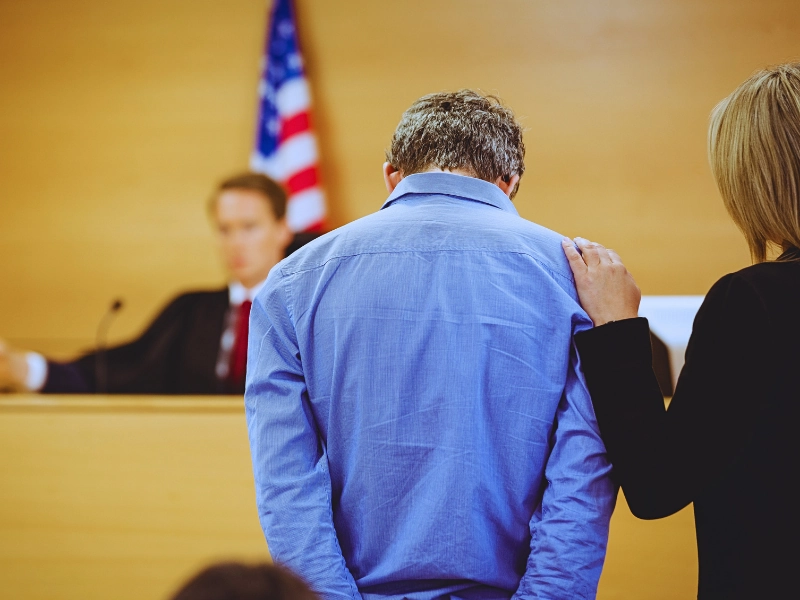

Minnesota DWI crash suspect attempts mental illness defense

Many of us have never experienced a high-stress situation such as a car accident. At such times of shock and stress it’s hard to predict what someone might do.

One Minnesota defendant claims that mental incapacity following the DWI crash he caused led him to leave the scene. The Star Tribune reports that yesterday, the Minnesota jury didn’t buy that defense.

According to reports, the incident at the center of this criminal case took place back in 2006. The drunk driving suspect was reportedly carrying various passengers with him. Some of them sustained non life-threatening injuries. Another 18-year-old passenger died in the crash.

Ultimately, the now 24-year-old defendant was charged with multiple crimes in Minnesota, including criminal vehicular operation, third-degree murder and more. A week ago, a jury found him guilty of third-degree murder but he is yet to be sentenced for the crime.

Yesterday, the defendant reportedly appeared before the jury again as his defense attempted to argue away some of the severity of the crime. Specifically, the attorney suggested that it was dissociative amnesia and acute stress disorder that motivated the defendant to leave the scene and his injured passengers after the crash. Psychological experts testified to that point but failed to effectively convince the jury.

We will post an update to this case when more details about sentencing develop.

Source

Star Tribune: “Jury: Drunken driver was not mentally ill at time of crash,” 26 May 2011

Max Keller has won countless jury trial cases involving misdemeanors and felonies, sex crimes, and DWI’s. He is a member of the Minnesota Society for Criminal Justice, which only allows the top 50 criminal defense attorneys in the state as members. Max is a frequent speaker at CLE’s and is often asked for advice by other defense attorneys across Minnesota.

Experience: Practicing since 1997
Minnesota Registration Status: Active
Bar & Court Admissions: State of Minnesota Minnesota State Court Minnesota Federal Court 8th Circuit Federal Court of Appeals State of Maryland

Recent Posts

Is Fingerprint Evidence Reliable?

Because fingerprints are generally considered unique, prosecutors often present fingerprint evidence as strong proof in criminal cases. However, fingerprint analysis is not always as straightforward as television crime shows make it appear. Fingerprint evidence is a type of forensic evidence used to connect a person to a crime scene, object, or location. Investigators collect fingerprints from surfaces such as weapons, vehicles, windows, phones, or packaging materials and compare them to known prints associated with a suspect.

What Is Soliciting Prostitution?

Prostitution solicitation is sometimes a felony-level offense. An example is when a defendant is accused of solicitation of a minor – a person below 18 years of age. The severity of the penalties increases as the age of the solicited child reduces.