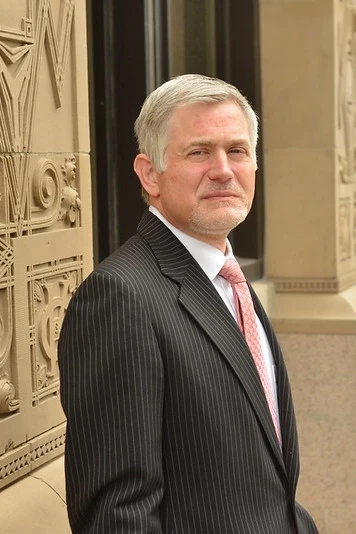



Chris Soules, famously known for being on the television series the Bachelor, was charged with failure to remain at the scene of a fatal accident . On April 24, 2017 Soules hit a tractor and the driver of the tractor later died at the hospital. Soules called 911 and administered CPR but left the scene of the crash before law enforcement arrived. Soules challenged the constitutionality of the Iowa law claiming the law violated the rights of citizens to be free from unreasonable searched and seizures to avoid self-incrimination. The Iowa law differs from many other state laws in that in requires drivers to remain at the scene until officers arrive. The Iowa judge denied the legal challenge and Soules is set for a jury trial in January 2018.
In Minnesota, Minnesota statute 169.09 governs leaving the scene of an accident and hit and run cases in Minnesota. The statute requires that, “the driver of a vehicle involved in a collision resulting in bodily injury to or death of another shall, after compliance with this section and by the quickest means of communication, give notice of the collision to the local police department if the collision occurs within a municipality, to a State Patrol officer if the collision occurs on a trunk highway, or to the office of the sheriff of the county.” Contrary to Iowa law, Minnesota statute only says that the driver must communicate the accident to the police. Whether a driver has to remain at the scene of the crash until police officers arrives remains unclear and vague. Minnesota law does have a duty to stop at the scene of any accident as soon as possible to provide the drivers name, address, birthdate and registration. If there is injury or death, then the driver must contact law enforcement. Soules did contact law enforcement and give his information when he contacted the police department. If convicted of failure to remain at the scene of a fatal accident Soules may face up to five years in prison. In Minnesota, the maximum sentence for leaving the scene of an accident is up to three years in prison. Leaving the scene of a fatal accident is a felony in Minnesota.
Stay tuned to the Keller Criminal Defense Attorneys blog for updates on the Chris Soules’ trial likely to begin in January 2018. Soules will need one of the best criminal attorneys to fight the charges against him. When looking for one of the best criminal attorneys in Minnesota, you should look at the experience and the types of cases the attorney has handled in the past. Keller Criminal Defense Attorneys has handles stalking cases in the past. Max Keller is an aggressive attorney in Minnesota who has been practicing for 20 years in Minnesota. If you have been charged with leaving the scene of an accident or hit and run, contact Keller Criminal Defense Attorneys. Keller Criminal Defense Attorneys offers free consultations. Call 612-210-0629 or visit the firm’s website at www.kellerlawoffices.com. Contact Keller Criminal Defense Attorneys to see if you have any valid defenses to hit and run or leaving the scene of an accident charges.