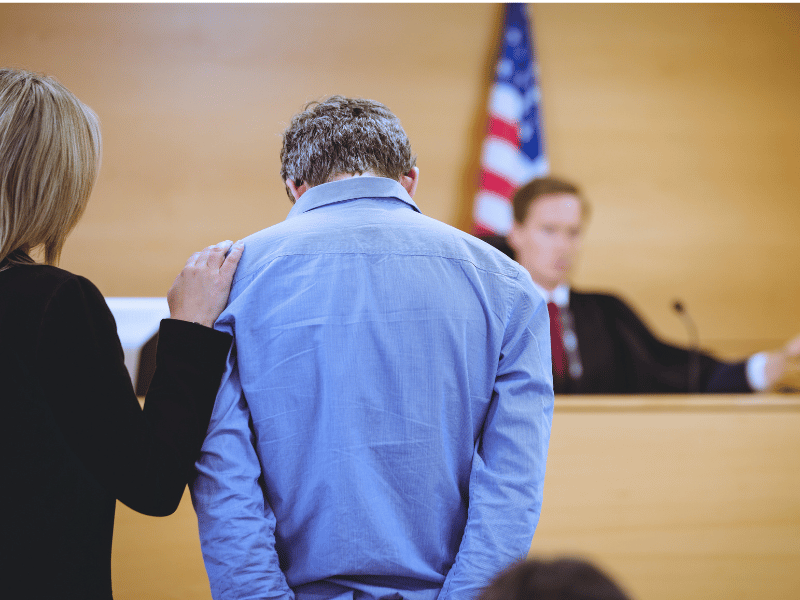


When law enforcement officers stop drivers for suspicion of operating a vehicle while intoxicated, they routinely administer field sobriety and breathalyzer tests to determine the extent of the drivers’ inebriation. The same often occurs when officers perform routine traffic stops and believe they have reason to suspect that drivers are under the influence of alcohol. However, while the use of breathalyzers is routine and generally accepted, their validity and accuracy has come into question.
How breathalyzers operate
Contrary to popular belief, breath tests don’t directly determine blood alcohol concentration. Breathalyzer machines measure the amount of ethanol present in a sample of air. When individuals breathe into the mouthpiece, any ethanol that is present in the sample, whether from alcohol or outside substances, is converted to acetic acid and water, and the machine measures the electrical current that the chemical reaction produces. It then takes this information and indirectly estimates BAC using varying technologies and complex calculations.
The National Motorists Association reports that studies have shown a margin of error as high as 50 percent when comparing actual blood alcohol concentration and breathalyzer estimates. With that figure, anyone who receives an estimate of 0.1 percent BAC could have an actual BAC of anywhere from 0.05 percent and 0.15 percent.
Factors that affect accuracy of the test
Many factors can affect breathalyzer accuracy, leading to such a wide gap between estimates and real BAC. When the machines take their measurement, they measure not just the ethanol in the breath sample, but all of the other molecules that are structurally similar to ethanol within that sample as well. Common interfering substances include:
- mouthwash
- gasoline additives
- workplace compounds, such as lacquer, paint remover and cleaning fluids
- Increased acetone levels due to dieting or diabetes
Blood cell volume settings on the breathalyzers themselves may also contribute to inaccurate results. Most machines have a standard hematocrit setting of 47 percent, yet that number varies from 42 to 52 percent for men and from 37 to 47 percent for women. Those at the lower end of the spectrum can face false positive results. Improper calibration and use by authorities also contributes to inaccuracies.
Within the legal process
A Pennsylvania judge deemed breathalyzer test results inadmissible in his December 2012 opinion when asked to review the methods by which a breath test machine is calibrated. His opinion questioned the accuracy of the test results, indicating that outcomes for very high and very low levels of intoxication were the most severely affected. South Dakota has gone so far as to prohibit the use of breathalyzers of any kind.
Despite the questionable accuracy of breathalyzers and their proven issues, they continue to be used by law enforcement across the nation. Minnesota residents should remember that only a blood test can unequivocally determine the actual amount of alcohol in the blood.