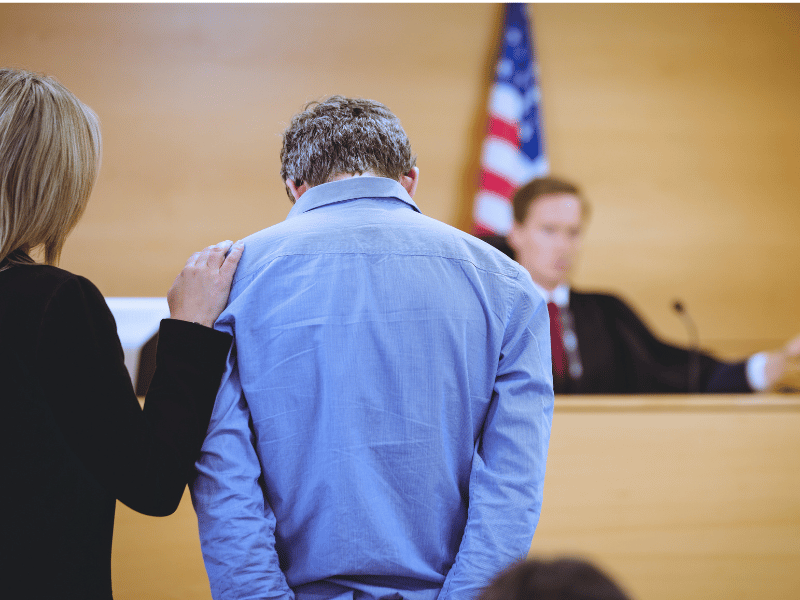



When a driver is pulled over for a DWI in Minnesota, he/she can face arrest, charges, and stiff penalties. A DWI is not an offense to take lightly. Felony DWI charges can result in up to seven years in prison, so a DWI attorney St. Paul is required for legal advice and representation.
A DWI is a serious offense. If pulled over by the police, a DWI attorney St. Paul can answer important legal questions and explain the DWI process related to an impending arrest and charges. Here are ten things to remember:
- A “DWI” means “driving while intoxicated” which is usually defined by a blood alcohol level of .08 in Minnesota. A “DUI” may or may not include a specific blood alcohol level.
- Even with a first offense DWI, a gross misdemeanor charge can be filed if a driver’s blood alcohol content (BAC) is .20 or above, or if a driver refuses testing.
- When stopped for a DWI in Minnesota, refusing to take a blood, breath or urine test is a crime under Implied Consent Laws, but drivers are allowed to talk to a DWI attorney St. Paul before tests are administered.
- In Minnesota, the criminal penalties imposed for a DWI are based on the number of prior aggravating factors a driver has at the time of the offense.
- In addition to criminal penalties for a DWI, Minnesota also imposes civil sanctions that include a driver’s license revocation, license plate impoundment, and vehicle forfeiture.
- If pulled over, there is a possibility of going to jail, but it’s not a probability. A DWI attorney St. Paul can explain the mandatory minimum penalties for Minnesota repeat offenders.
- Under Minnesota law, a person charged with a first-degree felony DWI can be sentenced to a minimum of 180 days in jail and a maximum of five to seven years, as well as fines of up to $14,000.
- A charge of Criminal Vehicular Homicide is a felony. Under Minnesota’s sentencing guidelines, death to an unborn child or a conviction for criminal vehicular homicide carries a sentence of four years in prison.
- If arrested and charged with a DWI, jail time will be imposed if conditions ordered by Minnesota Courts are violated.
- In Minnesota, DWI convictions stay on a driver’s official driving record for at least 15 years. Actual driving records are retained indefinitely.