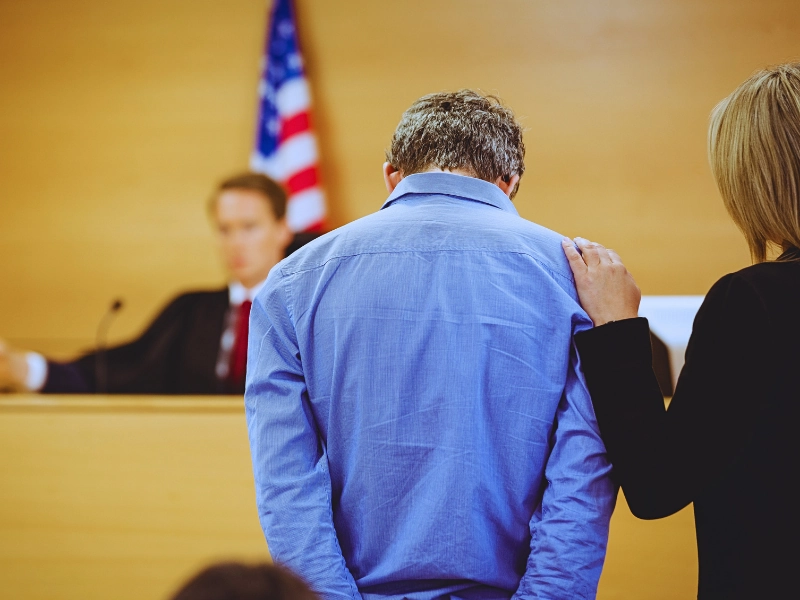



Even though it is the first appearance you will make in Court, a Minnesota bail hearing is one of the most important hearings in your Minnesota criminal case. At your first court appearance, a Judge will determine what amount of bail and/or other Minnesota conditions of release (like alcohol or drug monitoring) to impose upon you. You must post the amount of bail (in cash or through a Bail Bondsman) ordered by the Judge in order to be released from custody.
If you’ve been taken into custody following an alleged criminal offense, the prosecutor in your case will likely request the Judge to impose some amount of bail. If, rather than being arrested, you receive a summons in the mail to appear in Court, the prosecutor may still ask for bail to be imposed or, in the alternative, that you be subjected to intensive supervision by the probation department of the county in which you are charged. This intensive supervision can include alcohol or drug monitoring. Alcohol or drug monitoring typically includes a daily fee, subjects you to testing multiple times per day, and is prone to “false positives.” If you have a “false positive,” then you can be hauled back to jail, and your bail can be increased.
If, after a Minnesota first appearance court hearing, the Judge mandates that you post a bail amount that you cannot afford, then you must sit in jail while your case is pending. If you are sitting in jail waiting for your case to progress, then you may lose your job and any government benefits you receive. Sitting in jail for any period of time, let alone an extended period of time, also causes tremendous stress for you and your family.
You need an experienced Minnesota criminal defense attorney at all stages of your case, INCLUDING your bail hearing. Your attorney should know the case law, statutes and Rules of Criminal Procedure governing what amount of bail can be set against you and what conditions of release can be imposed against you. Above all, you should have an attorney willing to fight for you at your first appearance hearing, sometime called an arraignment in misdemeanor cases. In our next blog post, we will discuss how Keller Criminal Defense Attorneys is trying to change the law to prevent Judges and prosecutors from setting excessive and illegal bail based on bogus enhancement of charges in DWI, domestic assault, or other cases.