

The Minnesota Bureau of Criminal Apprehension (BCA) has suspended breathalyzer testing statewide after discovering significant human errors with the maintenance of these devices. The errors may have compromised the accuracy of hundreds, potentially thousands, of driving while intoxicated (DWI) breath tests conducted across the state.
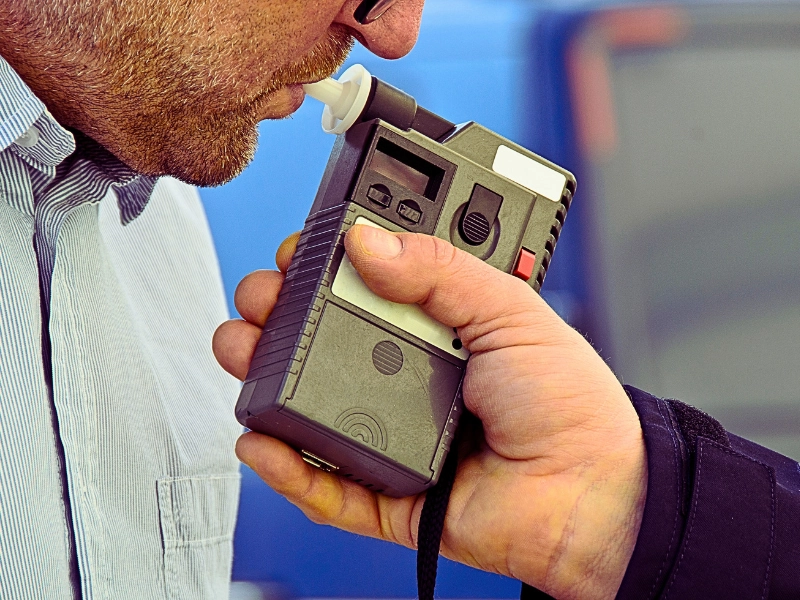
Breath test results are the crux of many DWI cases. As such, this developing situation raises critical questions about the validity of breath test results that prosecutors have used to secure DWI convictions. If you’re facing drunk driving charges in Minneapolis, it’s essential you understand these errors and their implications for your case. To discuss your options and next steps, contact our DWI lawyers at Keller Criminal Defense Attorneys. Call 952-913-1421 to schedule a free initial consultation.
On This Page
Why Was Alcohol Breath Testing Suspended in Minnesota?
The stop-use order was issued after human errors relating to the installation and maintenance of dry gas cylinders within the devices. These cylinders serve as control mechanisms to ensure the breathalyzer devices produce accurate readings during DWI testing.
According to the BCA superintendent, there are approximately 220 breathalyzer devices deployed for use across the state. While more than 4,500 law enforcement personnel receive extensive training on these devices, the BCA discovered multiple instances of improper handling during the cylinder replacement process.
The scope of the problem continues to grow. Initially, the BCA reported that at least 146 cases statewide were affected. Within days, however, that number was increased to 276 cases. Minnesota criminal defense lawyers warn the actual impact could be far more extensive.
How Many DWI Cases Could Be Affected?
The timeline is alarming. These breath testing machines have been in operation for approximately 13 years, and Minnesota conducts roughly 20,000 DWI breath tests annually. With about 15,000 tests already conducted in 2025 alone, the number of compromised cases could reach into the thousands.
Cases have already been withdrawn due to the surfacing of these errors, emphasizing the uncertainty surrounding the full extent of the problem. The BCA is now conducting a case-by-case review to determine which test results may have been compromised by the cylinder installation errors.
Why This Matters for Your DWI Case
In DWI prosecutions, alcohol breath test results often serve as the cornerstone of the state’s evidence. Prosecutors rely heavily on these numerical readings to prove that a driver’s blood alcohol concentration exceeded the legal limit of 0.08%. When the accuracy of these devices comes into question, it may lead to unnecessary arrests and charges, and undermines the foundation of the prosecution’s case.
The BCA has stated that not all tests with cylinder errors necessarily produced inaccurate results. However, this position is contentious. Criminal defense attorneys argue that when the proper protocols for maintaining equipment aren’t followed, the results become legally unsupportable, regardless of whether they might coincidentally be correct.
The legal standard isn’t whether a test happened to produce an accurate result by chance. It’s whether the testing process followed scientifically validated procedures that ensure reliability. When human error compromises that process, the results lose their evidentiary value.
What Should You Do If You’re Facing DWI Charges in Minneapolis?
If you’ve been charged with DWI in Minneapolis, St. Paul, or anywhere in Minnesota, and your case involved a breath test, you should act immediately.
Determine When Your Test Was Conducted
The breath test machines in question have been in use for 13 years. As such, cases dating back over a decade could be affected. Even if your arrest was recent, the equipment errors may impact your case.
Request Detailed Information About Your Test
An experienced DWI lawyer can obtain the maintenance records, calibration logs, and cylinder replacement documentation for the specific breath test device used in your case. This information may help determine and prove whether your test was compromised.
Understand Your Legal Options
Depending on the circumstances of your case, you may be able to challenge the admissibility of your test results. Alternatively, you may also have an opportunity to negotiate a more favorable outcome with prosecutors who recognize the weakness in their evidence.
Don’t Wait for the BCA’s Review to Conclude
The state is conducting its own investigation, but you shouldn’t rely on the prosecution to identify problems with its own evidence. Rather, your DWI lawyer can independently investigate whether your test was affected.
The consequences of a DWI conviction in Minnesota are severe, including license revocation, substantial fines, jail time, increased insurance rates, and a criminal record. When the primary evidence against you may be unreliable, you have a responsibility to yourself and your future to challenge it.
The Broader Implications for Minnesota DWI Enforcement
This situation highlights a broader issue within DWI enforcement: the system’s heavy reliance on technology that requires meticulous human oversight. When that oversight fails, even for what officials describe as simple procedural errors, the consequences ripple through hundreds of thousands of cases.
The BCA announced that moving forward, state crews, rather than local law enforcement, will handle the replacement of dry gas cylinders to prevent future errors. Local agencies have been asked to conduct brief checks on their breath tests, and those that pass can resume testing.
However, this response doesn’t address the fundamental question facing defendants whose cases relied on potentially faulty tests: How can anyone be certain which results were accurate and which weren’t? In criminal law, defendants are entitled to proof beyond a reasonable doubt. When the primary evidence contains documented procedural errors, that standard becomes difficult to meet.
Your Rights as a DWI Defendant
As a defendant facing DWI charges, you have fundamental rights that protect you against unreliable evidence. The prosecution bears the burden of proving every element of the offense beyond a reasonable doubt. They must also establish that scientific evidence, including breath test results, was obtained through reliable, properly validated methods.
When equipment maintenance protocols aren’t followed, it creates reasonable doubt about the reliability of the results. An experienced DWI lawyer understands how to investigate these technical issues, challenge questionable evidence, and advocate for dismissal or reduction of charges when the state’s case is built on a flawed foundation.
Minnesota law provides procedures for challenging the admissibility of chemical test results in DWI cases. These procedures include requirements for equipment calibration, operator certification, and proper testing protocols. When any of these requirements aren’t met, the test results may be excluded from evidence.
Moving Forward with Your Defense
The BCA’s acknowledgment of widespread human errors in alcohol breath testing creates an unprecedented opportunity for DWI defendants to challenge the evidence against them. However, these opportunities are time-sensitive. Court deadlines, statute of limitations concerns, and the ongoing nature of the BCA’s investigation mean that waiting could compromise your legal options.
Whether your case is pending or has already resulted in a conviction, you should consult with a knowledgeable DWI lawyer who can evaluate how these revelations affect your situation. In some circumstances, even past convictions may be subject to review if they were based on compromised breath test results.
The stakes are too high to navigate this situation alone. Contact Keller Criminal Defense Attorneys at 952-913-1421 for a comprehensive review of your DWI case. Our team has the experience and commitment to challenge unreliable breath test evidence and protect your rights.