


What makes a crime a felony is the severity of the offense and the penalties it carries, specifically whether it is punishable by more than one year in prison.
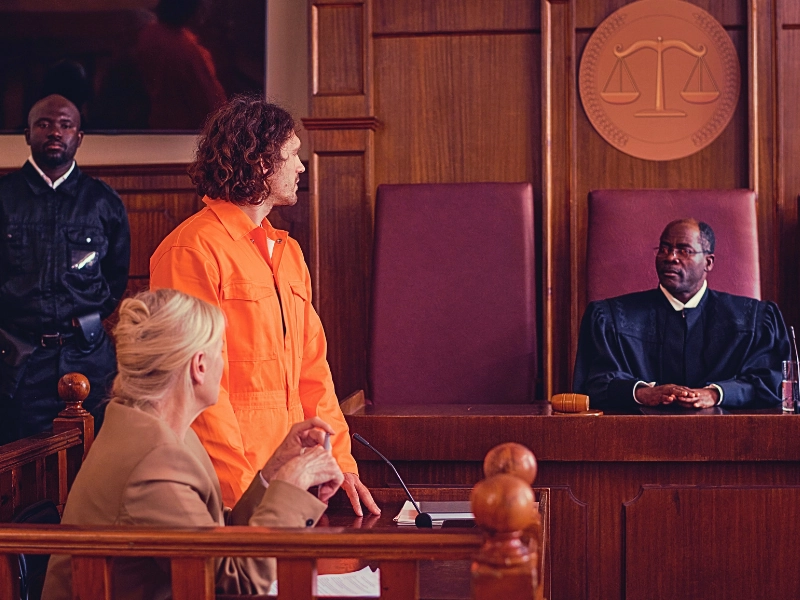
Minnesota law separates crimes into different categories, and the distinction between a misdemeanor and a felony is not just about labels. It directly impacts the consequences you may face and the legal strategies available to you.
Call Keller Criminal Defense Attorneys at 952-913-1421 to discuss your case and protect your future.
On This Page
Key Takeaways
- Felonies are the most serious category of crimes in Minnesota
- A crime typically becomes a felony based on penalties and severity
- Felony convictions can lead to prison time and long-term consequences
- Evidence such as digital communications can play a role in felony charges
- Early legal intervention can improve your chances of a favorable outcome
What Types of Crimes Are Considered Felonies?
Felonies in Minnesota cover a broad spectrum of criminal activity, typically involving serious harm, significant financial impact, or elevated public safety concerns. While the categories below provide a general framework, the exact classification depends on statutory definitions and the case.
Sex Crimes
Sex crimes are considered felonies in Minnesota when they involve serious conduct such as force, coercion, or offenses against minors. These charges can include:
- Criminal sexual conduct involving force or lack of consent
- Sexual offenses involving minors
- Exploitation or solicitation
- Distribution or possession of prohibited materials
The severity of the charge depends on the specific circumstances, but felony-level sex crimes carry some of the most serious legal penalties and long-term consequences.
Violent Crimes
Violent offenses are among the most serious felony charges and often involve physical harm or the threat of harm to another person. These cases are aggressively prosecuted and carry the potential for lengthy prison sentences.
Common examples include:
- Assault causing substantial or great bodily harm
- Robbery, especially when force or a weapon is involved
- Homicide, including various degrees of murder and manslaughter
The severity of the injury, use of weapons, and intent all play a role in how these charges are classified.
Drug Crimes
Drug-related felonies are typically based on the type and quantity of the substance, as well as the alleged intent. Minnesota law distinguishes between simple possession and more serious offenses involving distribution.
Examples include:
- Sale or distribution of controlled substances
- Possession of large quantities suggesting intent to sell
- Manufacturing illegal drugs
Aggravating factors, such as proximity to schools or prior offenses, can increase the level of the charge.
Property Crimes
Property-related felonies generally involve theft or damage that exceeds a monetary threshold or includes unlawful entry.
These may include:
- Theft of high-value property or large sums of money
- Burglary involving entry into a home or business with intent to commit a crime
- Arson or significant property destruction
The value of the property and whether the act involved force or intrusion are key considerations.
White Collar Crimes
White collar felonies typically involve financial deception rather than physical harm. These cases can be complex and often rely heavily on documentation and digital evidence.
Common offenses include:
- Fraud, such as identity theft or insurance fraud
- Embezzlement or misuse of funds
- Financial exploitation or forgery
Even though these crimes are non-violent, they can still carry substantial penalties depending on the scale and impact.
What Is the Difference Between State and Federal Felonies?
Most crimes are prosecuted at the state level, but some offenses fall under federal jurisdiction.
Federal felonies typically involve:
- Interstate activity
- Federal agencies
- Larger-scale criminal conduct
Penalties for federal crimes can be more severe, and procedures differ from state cases.
What Are the Different Classes of Crimes in Minnesota?
Minnesota divides crimes into four main categories:
- Petty misdemeanors
- Misdemeanors
- Gross misdemeanors
- Felonies
The key differences come down to penalties:
- Misdemeanor: Up to 90 days in jail
- Gross misdemeanor: Up to one year in jail
- Felony: More than one year in prison
This distinction is important because once a charge crosses into felony territory, the stakes increase.
Why Does a Felony Charge Matter So Much?
Felony charges carry consequences that extend far beyond the courtroom. Even before a conviction, the existence of a felony charge can impact your life.
Immediate Consequences
If you are charged with a felony, you may face:
- Arrest and detention
- High bail amounts
- Strict release conditions
Long-Term Consequences
A felony conviction can affect:
- Employment opportunities
- Professional licensing
- Voting rights
- Firearm ownership
These consequences can last for years, making it essential to take felony charges seriously from the beginning.
Can a Felony Affect Your Future Even Without a Conviction?
Even being charged with a felony can have consequences. Background checks may show pending charges, which can affect employment and housing opportunities. This is why addressing charges quickly and effectively is important, even before a case reaches trial.
What Evidence Do Prosecutors Use to File Felony Charges?
When determining what makes a crime a felony, the type and strength of evidence play a major role. Prosecutors must show there is enough credible evidence to support serious charges, and in many cases, that evidence goes beyond physical items or eyewitness testimony.
Can Digital Evidence Be Used Against You?
Digital evidence is now a central part of many felony cases. This includes:
- Text messages
- Emails
- Social media activity
- Call logs
- Location data
In some situations, you may be charged based on text messages if those messages appear to show intent, coordination, or knowledge of criminal activity. Even informal conversations can be used by prosecutors to build a narrative.
When Can Police Access Your Phone?
Your phone contains a large amount of personal data, and law enforcement often seeks access during investigations. However, there are legal limits on when and how that access can occur. Understanding whether police search your phone legally is critical. In many cases, officers need a warrant, but exceptions may apply depending on the circumstances.
Why Evidence Matters in Felony Cases
The difference between a misdemeanor and a felony often comes down to how prosecutors interpret the evidence. Stronger or more detailed evidence can lead to more serious charges, while weak or improperly obtained evidence may be challenged in court.
This is why early legal review of the evidence can be so important. Identifying flaws in how evidence was collected or interpreted may significantly affect the direction of your case.
Can Felony Charges Be Reduced or Dismissed?
Not all felony charges lead to convictions. In some cases, your attorney may be able to challenge the evidence or negotiate with prosecutors.
Possible Outcomes Include:
- Reduction to a misdemeanor or gross misdemeanor
- Dismissal of charges
- Alternative sentencing options
There are situations where individuals have had charges dropped due to weak evidence or legal issues in the case. The outcome often depends on the strength of the evidence and the strategy used in your defense.
How Do Prosecutors Decide to File Felony Charges?
Prosecutors evaluate several factors when determining whether to file felony charges, and their decision is based on both legal standards and practical considerations tied to the specific case.
Key factors include:
- The severity of the alleged conduct
- Available evidence
- Criminal history
- Impact on victims
They must believe there is enough evidence to prove the case beyond a reasonable doubt. Before charges are filed, prosecutors also review police reports, witness statements, and any physical or digital evidence to assess credibility and consistency.
In addition, they consider whether the facts meet the legal definition of a felony under Minnesota law. If the evidence is strong and the alleged conduct meets statutory thresholds, felony charges are more likely to be filed rather than reduced to a lesser offense.
How Can You Protect Your Future?
These charges are serious but not always final. You have options, and the actions you take now can shape your future. Building a strong defense, understanding your rights, and working with experienced legal counsel can help you navigate the process and pursue the best possible outcome. Early action can make a meaningful difference in how your case is resolved.
Working with an experienced felony lawyer can help you understand your options and build a strong defense strategy. Contact Keller Criminal Defense Attorneys at 952-913-1421 today.