

When you are facing drug charges, working closely with an attorney who will explain clearly all your rights, options and potential consequences can help to ensure that you make decision that are in your best interests. Call today (952) 522-5026 to schedule a consultation and case evaluation with an experienced criminal defense attorney.
Since the late 1980s, there has been a dramatic shift in the American justice system’s approach to drug crimes. Drug courts, which operate or are being planned in all 50 states, offer an alternative to traditional incarceration. By providing a structure that emphasizes substance abuse treatment and ongoing supervision, drug courts aim to rehabilitate and reduce repeat offenses. To learn about the range of alternatives to jail that may be available to you, contact Keller Criminal Defense Attorneys in Minneapolis, MN, today to schedule a consultation with a criminal defense attorney.
On This Page
The drug court model
The first drug court was established in Miami, Florida, in 1989. First developed as a way to relieve increased felony caseloads and overcrowded jails and prisons, the drug court movement has gained tremendous momentum throughout the United States. In the decades since then, drug courts now operate, or are being planned, in all 50 states.
Recognizing that incarceration alone has not been an effective solution to breaking the cycle of drug abuse and crime, the drug court model combines criminal justice and medical treatment approaches. Together, it is believed, these methods can help individuals break their dependence on drugs and ultimately take back control of their lives.
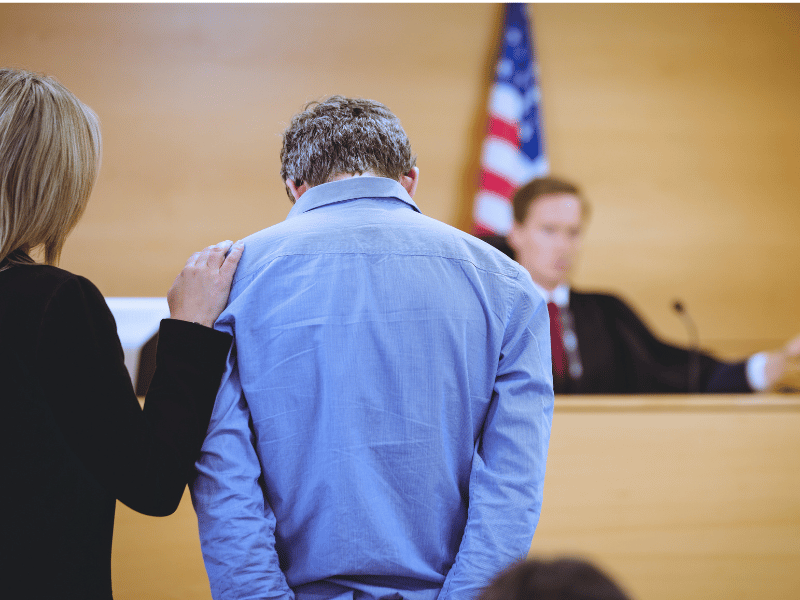
While the specific programs and methods used by individual drug courts vary, the emphasis is cooperation by all parties — the court, prosecution, defendant and treatment providers — to rehabilitate individuals with substance abuse problems who have been charged with a drug crime. Drug court participants undergo long-term treatment (typically 12 months), counseling, frequent drug testing and regular court appearances. Related social and educational services may also be part of the process. The progress of each participant is regularly monitored and evaluated, and ongoing interaction with judges is a common feature.
While drug courts have tended to focus on low-level and first-time offenders, individuals with more severe substance abuse issues and histories of criminal activity have increasingly come within the jurisdiction of drug courts.
Successful outcomes
Participants who comply with drug court terms and conditions often have their sentences reduced or set aside, probation rescinded or charges dropped altogether. Depending on the particular drug court, approaches taken range from diversion to probation. In all cases, however, successful completion means an alternative to going to jail and the chance to break the cycle of addiction.
Contact a criminal defense attorney
Being charged with a drug crime, whether or not it is your first offense, does not necessarily have to end in a jail sentence. With the growing emphasis on substance abuse treatment and other non-traditional approaches in the justice system, you may have options. Contact Keller Criminal Defense Attorneys in Minneapolis, MN, today to schedule a consultation with a criminal defense lawyer to discuss alternatives to incarceration that may be available to you.