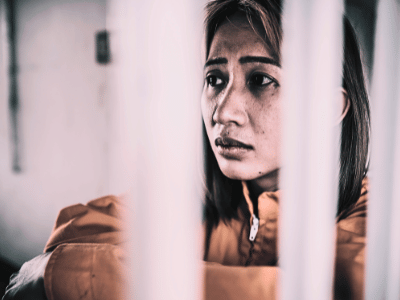


Probation gives criminal defendants an opportunity to remain in the community instead of serving time in jail or prison. While probation can provide greater freedom than incarceration, it comes with strict rules and conditions that must be followed. If you violate probation, the consequences can range from a warning to probation revocation and incarceration, depending on the circumstances.

Courts consider several factors, including the nature of the violation, your criminal history, your compliance with other probation conditions, and whether the violation was intentional. Understanding what happens if you violate probation can help you respond appropriately and protect your rights.
If you are accused of violating probation in Minneapolis or elsewhere in Minnesota, contact Keller Criminal Defense Attorneys at 952-913-1421 to discuss your options.
On This Page
Key Takeaways
- If you violate probation, the penalties can vary from a warning to incarceration.
- Technical violations and new criminal offenses are treated differently.
- Courts often consider the severity and circumstances of the alleged violation.
- Probation may be extended, modified, or revoked.
- Prompt action after a violation may improve the outcome of your case.
- An experienced criminal defense lawyer can help protect your rights during probation violation proceedings.
What Is Probation in Minnesota?
Probation is a court-ordered alternative to incarceration that allows a person to remain in the community under specified conditions. Courts often use probation to encourage rehabilitation while still holding defendants accountable for criminal conduct.
Depending on the case, probation may be:
- Supervised by a probation officer
- Unsupervised
- Short-term
- Long-term
- Accompanied by treatment programs, community service, or other requirements
As the original source explains, probation can last from several months to several years depending on the offense and sentence imposed. While probation allows greater freedom than jail or prison, it also creates ongoing legal obligations that defendants must satisfy.
What Happens If You Violate Probation?
One of the most common questions people ask is whether a probation violation automatically results in jail. When a violation occurs, the court generally evaluates:
- The nature of the violation
- Whether it was intentional
- Whether it is a first violation
- The defendant’s overall compliance history
- The underlying offense
- Public safety concerns
In some situations, the court may view the violation as minor and impose relatively limited consequences. In others, the court may determine that probation is no longer appropriate.
Can You Go to Jail for Violating Probation?
One of the most serious consequences that can occur if you violate probation is incarceration.
When a court determines that probation conditions have been violated, it may:
- Continue probation
- Modify probation
- Extend probation
- Impose additional requirements
- Revoke probation
- Order jail or prison time
Probation revocation is often the most severe outcome. If probation is revoked, the court may require the defendant to serve some or all of the previously suspended sentence. However, courts do not automatically revoke probation after every violation. Judges typically consider whether less restrictive alternatives may still achieve compliance.
What Penalties Can Result From a Probation Violation?
The consequences of a probation violation often depend on the seriousness of the conduct involved.
Warning or Reprimand
For first-time or relatively minor violations, a probation officer may issue a warning or reprimand.
This often occurs when:
- The violation was accidental
- The defendant quickly corrected the issue
- There is otherwise strong compliance with probation conditions
Increased Supervision
Courts sometimes respond by increasing monitoring and supervision.
This may include:
- More frequent reporting requirements
- Additional drug testing
- Electronic monitoring
- Curfews
- Increased treatment requirements
Additional Penalties
A court may also impose:
- Community service
- Additional classes
- Extended probation periods
- Increased reporting obligations
Revocation and Incarceration
More serious or repeated violations may result in probation revocation and incarceration. As the source material notes, this is often the most significant consequence of a probation violation proceeding.
What Should You Do If You Think You Violated Probation?
Many people make the mistake of ignoring a violation and hoping it goes away. This approach can make the situation worse. If you believe you may have violated probation:
Act Quickly
Addressing the issue early may improve your ability to explain the circumstances and demonstrate good-faith efforts to comply.
Continue Following Other Conditions
Do not stop reporting to your probation officer or complying with other requirements simply because a violation occurred. Continuing to follow the remaining conditions may demonstrate your commitment to completing probation successfully.
Preserve Documentation
Keep records of:
- Program attendance
- Counseling sessions
- Community service
- Fine payments
- Restitution payments
- Drug treatment participation
Documentation can become valuable evidence if questions arise regarding compliance.
Can a Lawyer Help With a Probation Violation?
Probation violation hearings often involve important legal issues and factual disputes.
An attorney can:
- Review the alleged violation
- Gather supporting evidence
- Challenge inaccurate allegations
- Present mitigating circumstances
- Negotiate alternatives to incarceration
- Advocate during revocation hearings
In some cases, evidence may show that the violation was unintentional, misunderstood, or based on circumstances beyond the defendant’s control.
Having legal representation can help ensure that the court receives a complete picture of the situation.
If you violate probation in Minnesota, the consequences can range from a warning to probation revocation and incarceration. The outcome often depends on the nature of the violation, your compliance history, and the circumstances involved. While not every violation results in jail time, every allegation should be taken seriously because your freedom may be at stake.
If you are facing a probation violation hearing or believe you may have violated probation, contact Keller Criminal Defense Attorneys at 952-913-1421 today.