Intoxilyzer Source Code Update

On December 1, 2011, the Minnesota Supreme Court held oral arguments on the Intoxilyzer 5000 Source Code issue regarding the software used in Minnesota DWI breath tests.  This appeal is the THIRD time the Supreme Court has considered the Intoxilyzer Source Code in the last 6 years!

As a result of the State’s decision to continue using faulty breath testing equipment, over 4000 breath test DWI cases are in limbo, including DWI criminal cases and civil implied consent cases involving the revocation of a driver’s license.

View a video of the Intoxilyzer Source Code Oral Arguments here.  If you need a good Minnesota DWI defense attorney, you will need a defense attorney who is a member of the MSCJ (Minnesota Society for Criminal Justice) Source Code Coalition, and aggressive and experienced.

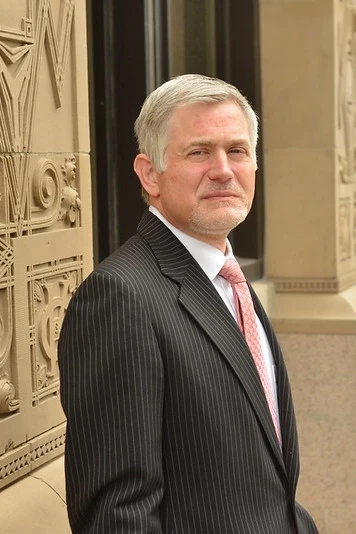
Max Keller has won countless jury trial cases involving misdemeanors and felonies, sex crimes, and DWI’s. He is a member of the Minnesota Society for Criminal Justice, which only allows the top 50 criminal defense attorneys in the state as members. Max is a frequent speaker at CLE’s and is often asked for advice by other defense attorneys across Minnesota.

Experience: Practicing since 1997
Minnesota Registration Status: Active
Bar & Court Admissions: State of Minnesota Minnesota State Court Minnesota Federal Court 8th Circuit Federal Court of Appeals State of Maryland

Recent Posts

What Are the Collateral Consequences of a Felony Conviction in Minnesota?

A felony conviction in Minnesota can affect your life beyond incarceration, probation, fines, or other penalties imposed by the court. Depending on the offense and your circumstances, a conviction may affect firearm possession, employment, professional licensing, housing, immigration status, and other opportunities. Some consequences end or change after your sentence, while others can continue much longer.

What Is the Statute of Limitations on Sexual Assault in Minnesota?

Minnesota has no criminal statute of limitations for first-, second-, third-, or fourth-degree criminal sexual conduct committed on or after September 15, 2021. Prosecutors may bring charges for these offenses regardless of how much time has passed. Allegations involving conduct before that date can be more complicated because earlier versions of Minnesota law imposed different deadlines and exceptions.