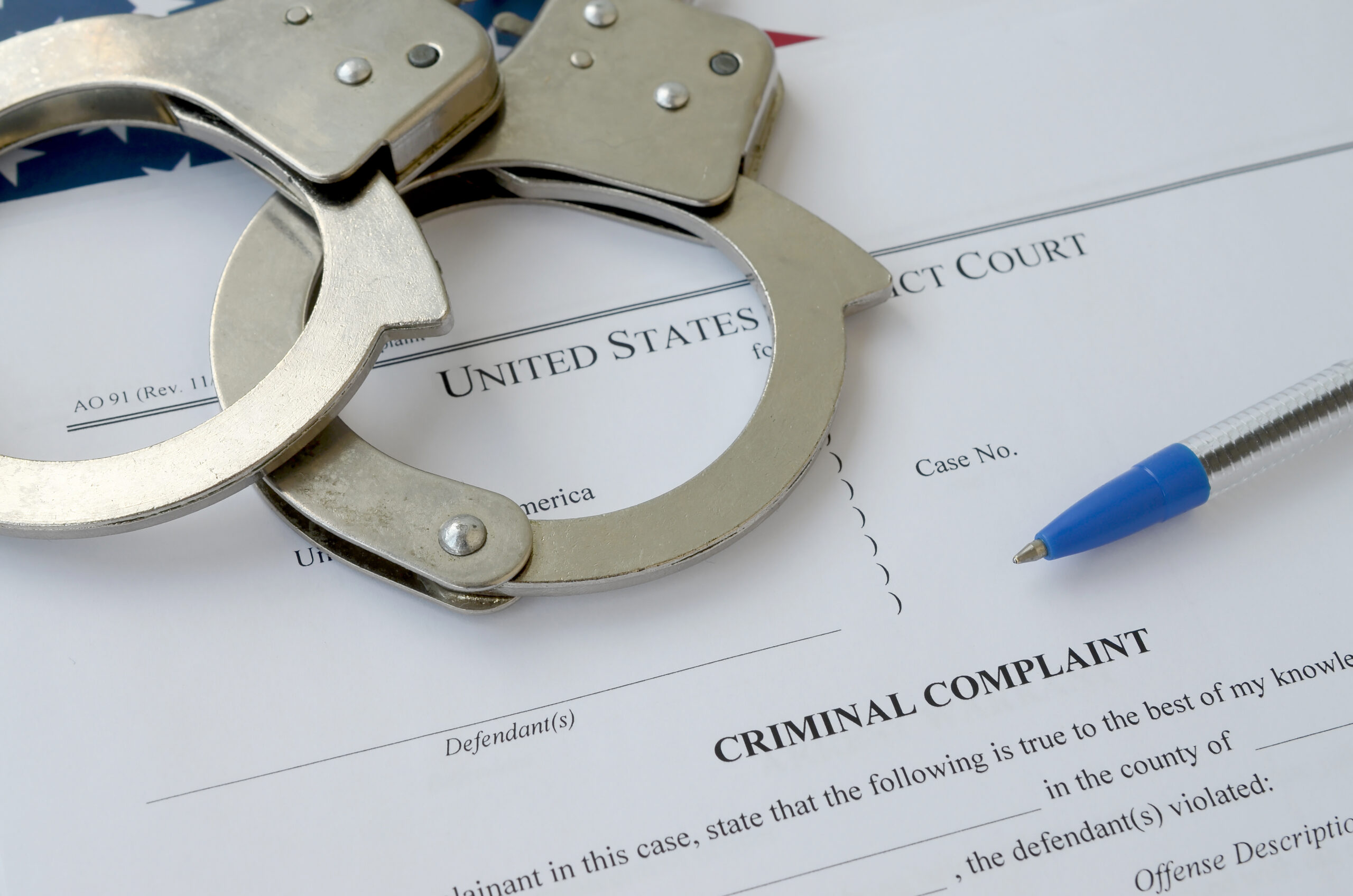



The Minnesota Supreme Court has ruled that the Fourth Amendment exclusionary rule applies to civil forfeiture cases. Max Keller from Keller Criminal Defense Attorneys wrote an amicus brief on behalf of the Minnesota Society for Criminal Justice. The Minnesota Supreme Court reversed and remanded the case. This is an important and notable win for defense lawyers across the state.
Daniel Garcia-Mendoza was stopped by police officers and did not have a valid driver’s license. He was given a citation. The police then impounded the vehicle and searched it. During the search, police found 225 grams of methamphetamine in his 2003 Chevy Tahoe. He also had $611.00 of cash on him. He was charged with first-degree possession of a controlled substance. His vehicle and money were both seized. Garcia contested the forfeiture and filed a civil complaint. The court granted the states motion for summary judgment and the court of appeals affirmed. The court of appeals stated that the exclusionary rule does not apply to civil forfeiture actions.
Garcia was indicted in federal court on three counts of distribution of methamphetamine. He was convicted of two counts. In the plea agreement, Garcia agreed to forfeit any and all property that was used in connection to the violation.
The Judge in the civil forfeiture case found that the traffic stop was Unconstitutional. The Minnesota Supreme court stated that the exclusionary rule applies to civil forfeiture cases and that the evidence was illegally obtained. Civil forfeiture is a legal process that gives the police department the power to take property connected to a crime.
If you have been charged with a crime and are facing a forfeiture of your property stemming from an incident, contact Minnesota Forfeiture Attorney Max Keller.
Keller Criminal Defense Attorneys has represented many individuals in forfeiture proceedings. We have also bee successful in getting many of our clients’ property back. In certain situations, there is also a time limit that a forfeiture petition needs to be file. Be sure to contact a skilled Minnesota defense attorney to ensure you are not missing your forfeiture deadline.