Blog
Because fingerprints are generally considered unique, prosecutors often present fingerprint evidence as strong proof in criminal cases. However, fingerprint analysis is not always as straightforward as television crime shows make it appear. Fingerprint evidence is a type of forensic evidence used to connect a person to a crime scene, object, or location. Investigators collect fingerprints from surfaces such as weapons, vehicles, windows, phones, or packaging materials and compare them to known prints associated with a suspect.

Prostitution solicitation is sometimes a felony-level offense. An example is when a defendant is accused of solicitation of a minor – a person below 18 years of age. The severity of the penalties increases as the age of the solicited child reduces.
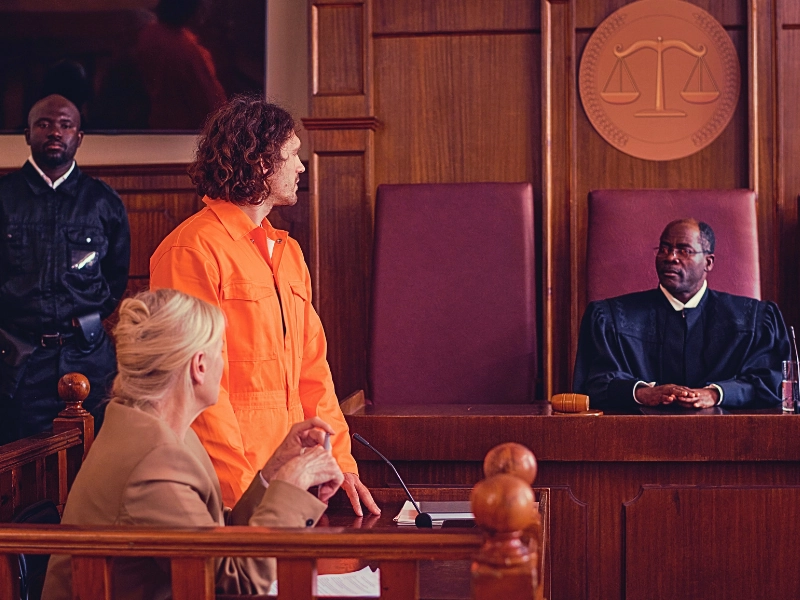
Your first court date is not just a formality. It sets the tone for your case and can influence what happens next. Knowing your rights, your options, and what the court expects from you can make a meaningful difference.
What makes a crime a felony is the severity of the offense and the penalties it carries, specifically whether it is punishable by more than one year in prison.
A warrant does not automatically mean you will be arrested immediately, but it does mean law enforcement has the authority to detain you. Knowing what to do if you have a warrant, and acting quickly and strategically can make a difference in how your case unfolds.
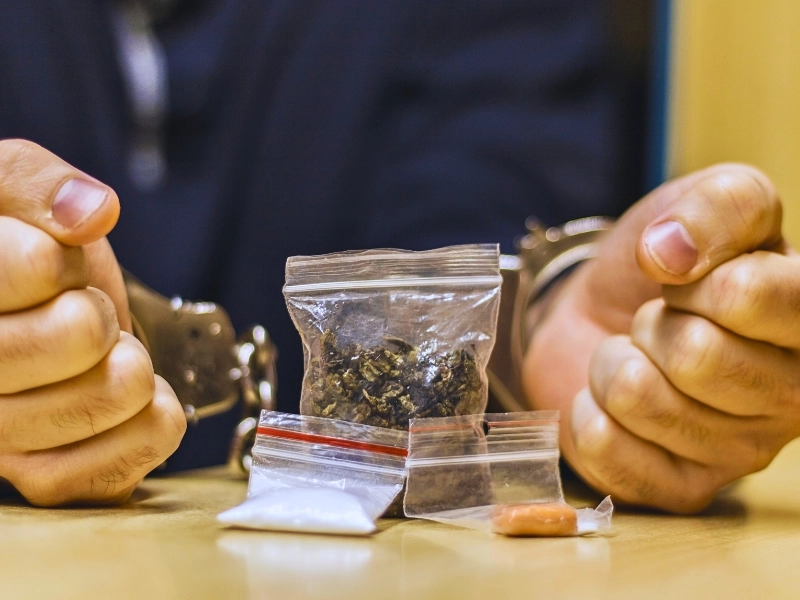
You can be charged with drug possession if the drugs aren’t yours in Minnesota. This is one of the most misunderstood areas of criminal law. Many people assume that if they did not own or physically hold the drugs, they cannot be charged. In reality, Minnesota law allows prosecutors to pursue charges based on something called constructive possession.
If you contact the alleged victim after charges are filed in Minnesota, you may be putting your case, your freedom, and your future at risk. Once criminal charges are filed, courts often impose strict no-contact conditions, either through bail conditions, release orders, or protective orders. Violating those conditions can lead to additional criminal charges, even if your intent was harmless.
Being accused of sharing intimate images without consent in Minnesota can have consequences that go far beyond the criminal justice system. These cases often involve allegations tied to digital communication, private relationships, and intent, which makes them both legally complex and highly sensitive.