Blog
If you are arrested, one of the first court proceedings that you will attend is the Bail Hearing. During the Bail Hearing, the judge will determine what bail should be required to permit release pending resolution of the charges.
We often hear these words uttered in everything from television crime dramas to news media broadcasts. But what do these words mean exactly? And what rights to they offer criminal defendants?
It is important you understand the answer to the question, “Does Minnesota have a stand your ground law?” is no. Instead, the state has a duty to retreat law that requires you to make reasonable attempts to escape before using force to defend yourself.
The Fourth Amendment protects people in Minneapolis from unreasonable search and seizure. This means that law enforcement cannot simply walk into people’s homes, stop them on the street or pull them over for a traffic violation without a warrant.
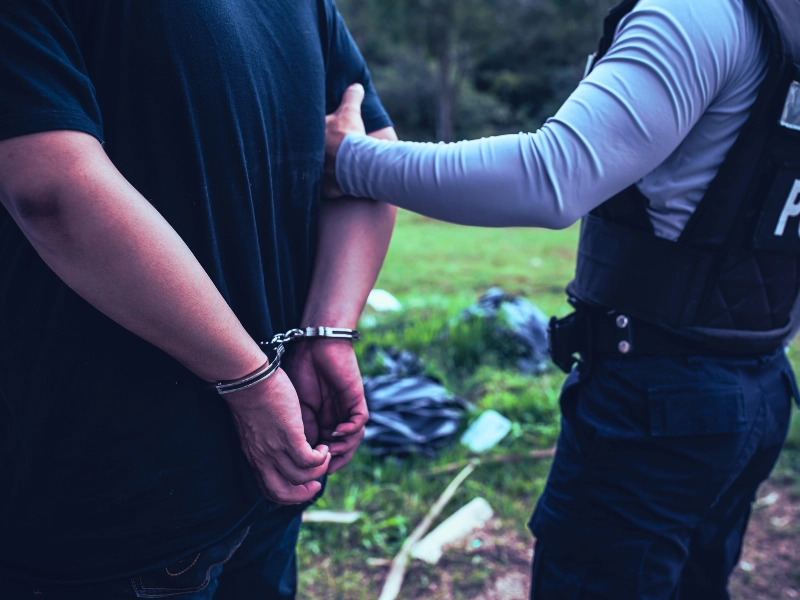
Knowing what to do if you are arrested in Minnesota can mean the difference between freedom and serious legal consequences. The first and most crucial thing to do during and after the arrest is to remain calm and cooperative. The next thing to do is to request a lawyer and invoke your right to remain silent, especially if the arresting officers start interrogating you about the alleged crime. You should familiarize yourself with bail and release conditions, be present during court hearings, and follow your lawyer’s instructions.
Minnesota takes drunk driving very seriously. If you get caught behind the wheel while intoxicated, you face severe penalties and other serious repercussions. The best defense to a drunk driving charge is to never drink and drive, but if you do find yourself facing Minnesota DWI charges, you should promptly contact a skilled drunk driving lawyer.
Every day, people in Minneapolis are arrested and charged with committing a crime. Many are unfamiliar with the workings of the judicial system and the arrest, processing and filing of charges can be overwhelming. This can encourage people accused of domestic violence, murder or even DWI, to agree to a plea bargain.

Previously in this space, we have discussed a number of the direct and indirect consequences of a DWI conviction in Minnesota. State laws generally govern many consequences, including sentencing issues and the impact a DWI arrest can have on a driver’s privilege to drive. However, a Minnesota DWI and Canada do Not mix well.